Speed-to-Lead for Equipment Downtime: Why an Idle Job Site Won't Wait
Key Takeaways
- Equipment downtime isn't just a repair problem for a contractor — it's an active-cost problem, with a full crew and job site sitting idle while a machine is down.
- A contractor calling about downtime is deciding between rental and repair in real time, and whichever dealer responds first often wins both the immediate rental and the eventual repair job.
- Splitting downtime calls from routine sales and planned rental inquiries lets a dealer prioritize the calls where speed actually determines the outcome.
Most speed-to-lead advice is written around a homeowner’s convenience. Heavy equipment downtime is a different kind of urgency entirely — every idle hour costs a contractor real money in stalled labor and missed deadlines, not just inconvenience.
Downtime is an active-cost problem, not just an inconvenience
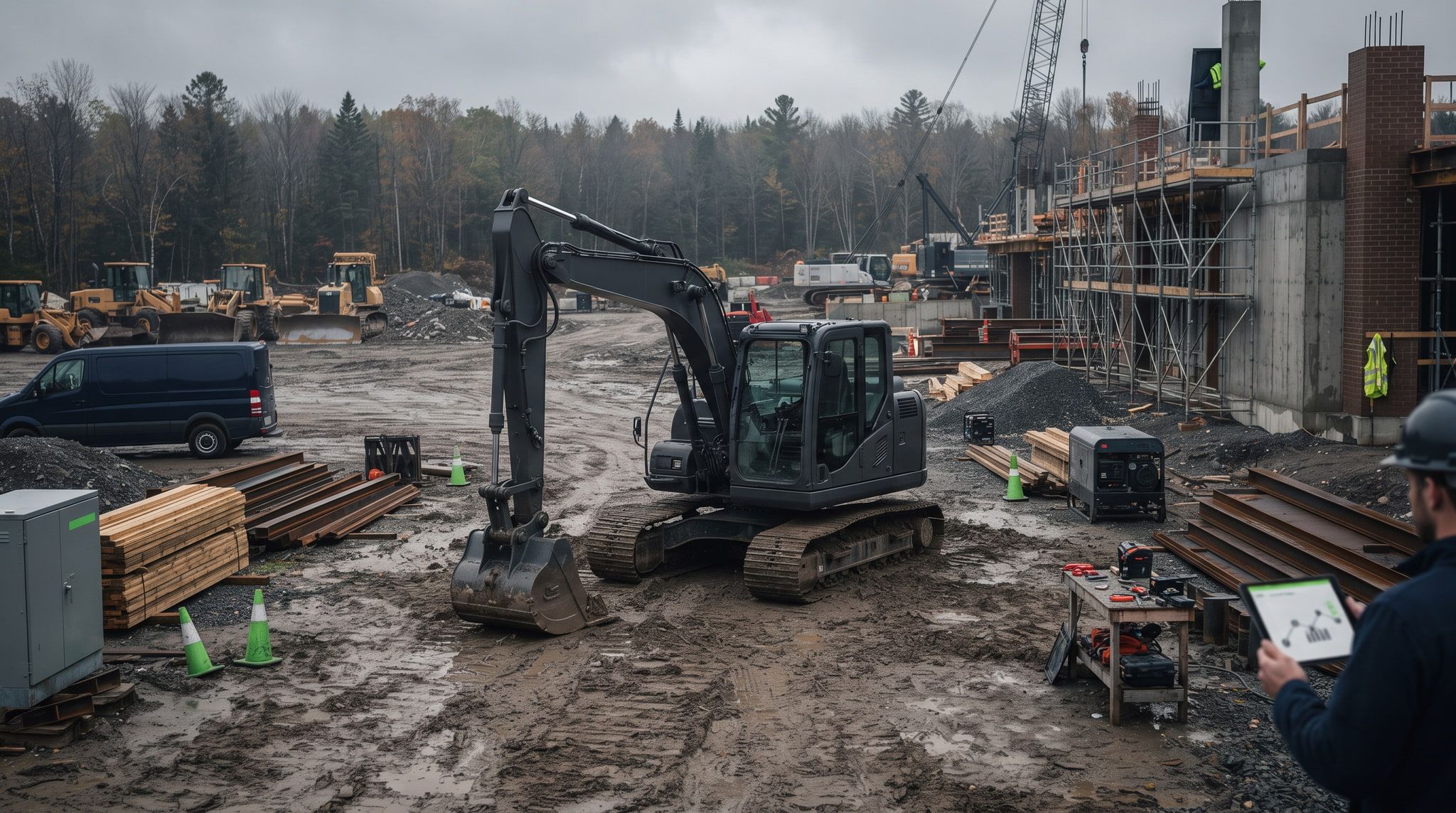
A contractor with a broken-down excavator isn’t just missing a machine — they likely have a crew standing around a job site that can’t proceed, plus contractual deadlines that don’t move because equipment failed. That changes the math entirely: the contractor calling isn’t comparing options leisurely, they’re trying to stop the bleeding as fast as possible.
The call is often a rental-vs-repair decision happening in real time
A contractor with downed equipment is frequently deciding, on the spot, whether it’s faster to rent a replacement machine or get the current one repaired. Whichever dealer picks up first and can answer both questions — “can you repair this today” and “do you have a rental available now” — has a real advantage in winning both the immediate transaction and the contractor’s future business.
Split the response path before the call arrives
- Downtime path — an active breakdown on a job site. This needs an immediate answer on rental availability and repair turnaround, not a callback queue.
- Planned path — sales inquiries and rentals booked ahead of a known project start date. These have real room for a considered, unhurried conversation.
Building this split into CRM automation — rather than routing every call through the same process — lets a dealer respond to genuine downtime emergencies with the urgency they require while still handling planned inquiries thoroughly.
What actually speeds up the right response
An automated first response for a downtime call should quickly capture: the type of equipment down, whether it’s a total stoppage or partial function, and whether the caller wants to explore rental, repair, or both. That triage lets whoever calls back walk in with real answers instead of starting the conversation from zero — which matters when the contractor is counting idle-hour costs while they wait.
Speed-to-lead is one of the clearest revenue levers for heavy equipment dealers precisely because the cost of a slow response isn’t just a missed sale — it’s a contractor actively losing money while deciding who to call next. See the full heavy equipment growth playbook for how this fits alongside Google Business Profile strategy and turning renters into fleet accounts.
Find Out Your Growth Score™
Get a free, AI-powered assessment of your online presence in under 60 seconds.
Get My Free Growth Score™Follow Alliance Optima in Google
Add us as a preferred source and our analysis shows up more often in your Google results and AI answers.
Add as a preferred source